
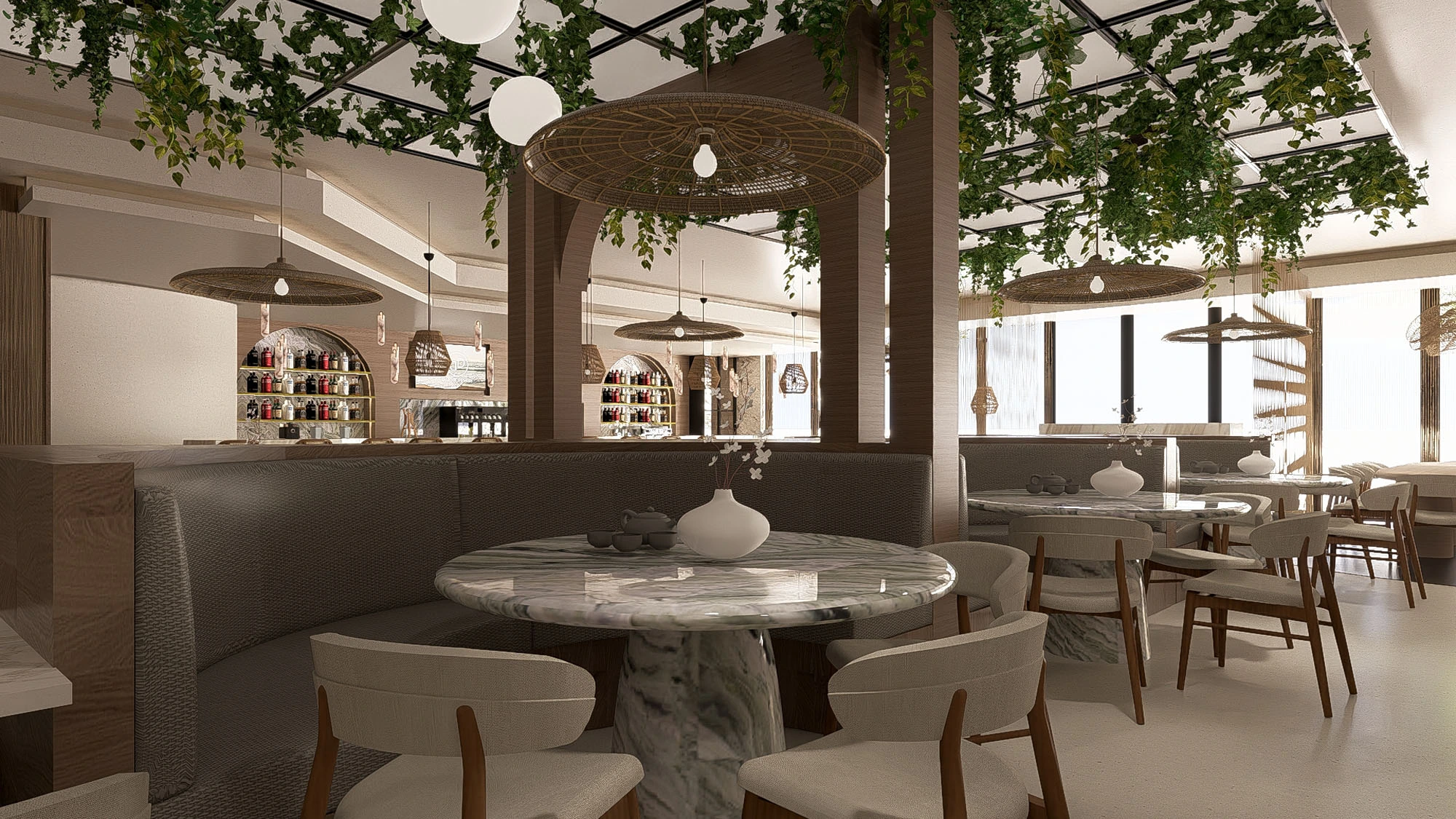
A memorable restaurant or hotel has an atmosphere you recognize immediately. Light, scale, texture, and sound create an impression before anyone speaks. Yet the best hospitality interiors also make room for the work happening around the guest: service, cleaning, maintenance, deliveries, and the movement of staff.
Furniture, fixtures, and equipment—often shortened to FF&E—sit at the meeting point of those two experiences. A strong package brings the design story into focus while giving the operating team a setting they can use and maintain.
Begin with the experience and the operation
Define the feeling the space should create, then describe how it will function. A relaxed all-day restaurant asks different things of its furniture than a late-night dining room. A resort lounge may need to support a quiet morning, an afternoon meeting, and evening drinks within the same footprint.
Bring the operator into these discussions early. The design team needs to understand service style, storage, cleaning routines, expected use, and any brand requirements. Those conversations help turn an attractive concept into a workable brief.
Decide what belongs in the package
FF&E can mean different things to different teams. Before pricing begins, agree on exactly what is included. Furniture and decorative lighting may sit within the design package, while specialist equipment belongs to another consultant or vendor. Artwork, accessories, window treatments, and outdoor pieces also need a clear owner.
A scope matrix prevents gaps and duplication. It should identify who specifies each category, who approves it, who purchases it, and who coordinates installation. If the project includes both guest spaces and operational areas, make the boundary between those responsibilities explicit.
Use a schedule that can become an order
A presentation image is an introduction to a piece, not a complete purchasing instruction. Each item should connect to an item code, location, quantity, dimensions, finish, upholstery, supplier, and the information needed to confirm the order.
Record approved variations carefully. The same chair may have a different fabric in the dining room and bar, or a different height at a counter. Those distinctions should remain visible in the schedule, vendor quote, and final approval.
For larger projects, organizing the schedule by area makes receiving and installation easier. The person unpacking a shipment should be able to understand where an item belongs without reconstructing the original design presentation.
Review comfort and maintenance alongside appearance
A chair may photograph beautifully while feeling wrong for the length of time a guest will use it. A finish may support the design concept but be difficult for the operating team to maintain. Samples, mockups, and clear supplier information help reveal those issues before a full order is placed.
Review the intended use of each product with the appropriate vendor and project specialists, including any applicable performance or project requirements. Ask how upholstery can be cleaned, whether parts can be replaced, and what maintenance the material needs. Keep the answers with the specification rather than relying on a verbal assurance.
Coordinate custom work before production
Custom furniture can give a hospitality interior a distinctive identity. It also creates more decisions. Confirm drawings, dimensions, materials, finish samples, hardware, and upholstery details before fabrication begins. Where appropriate, review a sample or prototype to resolve uncertainty before repeating the piece.
Remember the surrounding work. Banquettes relate to tables and circulation. Decorative lighting relates to ceiling conditions and furniture positions. A reception desk relates to equipment and the staff using it. The relevant teams should resolve those relationships together.
Work backward from the installation window
An opening date becomes more useful when it is translated into approval, production, delivery, receiving, and installation milestones. Allow room to inspect goods and resolve discrepancies. A truck arriving at the property is only one step in getting a room ready for guests.
Discuss storage, delivery access, unpacking, assembly, placement, and packaging removal before the shipment leaves the supplier. For overseas purchases, our guide to international sourcing follows that process in more detail.
Finish with a complete handover
At completion, the operating team should have organized product information, care instructions, and the relevant vendor contacts. Document any outstanding items and the next action for each. This makes the transition from installation to everyday use more manageable.
Darsie Design works across restaurants, hotels, wellness, and commercial interiors, connecting the design concept with sourcing and project coordination. Explore our hospitality services or tell us about your next space.